
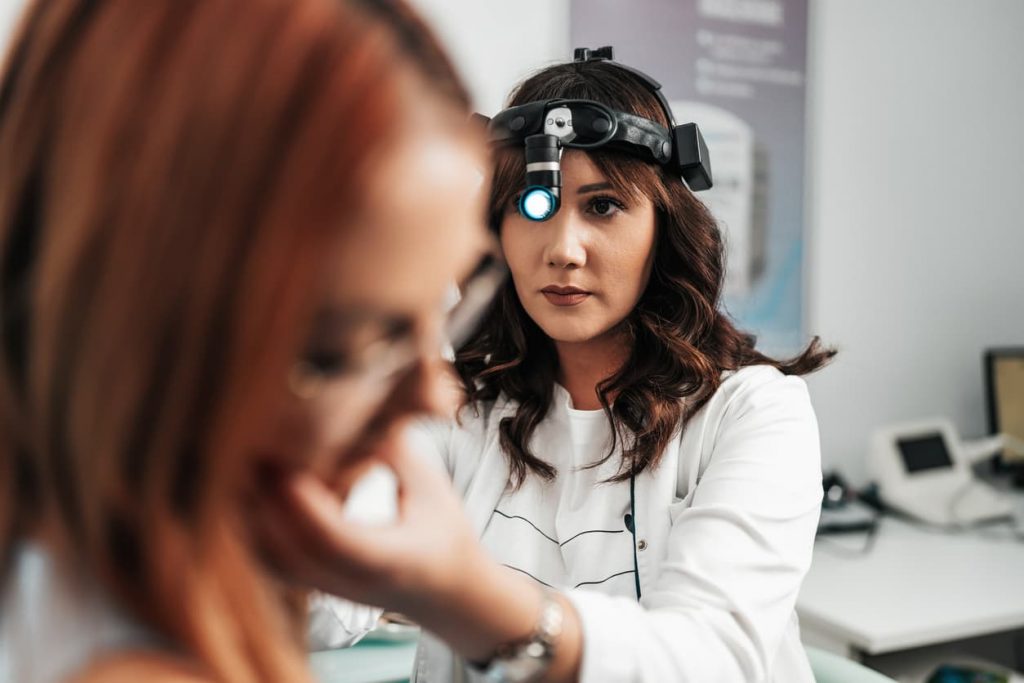
Understanding the Role of Ear Wax
Earwax, medically known as cerumen, is a natural substance that protects the ear canal by trapping dust, debris, and bacteria. It also helps maintain ear health by keeping the delicate skin inside the ear lubricated. However, while a small amount of wax is beneficial, excessive build-up can cause uncomfortable symptoms such as hearing loss, earache, dizziness, or a blocked sensation. In some cases, it can even affect hearing aid performance. That’s why safe, professional earwax removal in Harrow is an important service for maintaining ear health and comfort.
Why You Should Avoid DIY Ear Wax Removal
It’s tempting to reach for cotton buds or home remedies when your ears feel blocked, but doing so can often make things worse. Cotton buds, for example, push wax deeper into the ear canal, potentially causing impaction or injury.
Other at-home methods, such as ear candling, are not medically recommended; studies show they’re ineffective and can lead to burns or eardrum damage.
The safest approach is to visit a qualified clinician who uses approved medical techniques designed to clear wax effectively and safely.
Professional Ear Wax Removal Methods
There are several clinically approved methods used by trained healthcare professionals in Harrow. The right one for you depends on the condition of your ears and the consistency of the wax.
1. Microsuction Ear Wax Removal
Microsuction is considered the gold standard for earwax removal. It involves using a gentle suction device under direct visual guidance with a microscope.
Advantages:
- Safe and highly precise
- Suitable for people with ear conditions or perforated eardrums
- Usually painless and quick (10–20 minutes)
- No water required, ideal for those prone to ear infections
Microsuction is widely available in Harrow clinics and is often recommended by ENT specialists and audiologists.
2. Irrigation (Ear Syringing Alternative)
Irrigation, sometimes referred to as ear flushing, uses a controlled flow of warm water to dislodge and remove wax.
While older-style ear syringing is no longer recommended, modern irrigation systems use gentle pressure and are much safer when performed by trained professionals.
Advantages:
- Effective for soft wax build-up
- Comfortable when done by a clinician
- Can be completed in just one appointment
It’s not suitable for everyone, especially those with a history of ear infections or a perforated eardrum. Your clinician will advise if it’s the right option for you.
3. Manual Removal (Instrumentation)
For smaller or more stubborn wax blockages, clinicians may use specialised tools such as curettes under magnification.
Advantages:
- Precise removal under visual guidance
- Ideal for people who can’t tolerate suction or water-based methods
Manual removal requires a skilled practitioner and is typically done in conjunction with other methods for the best outcome.
What to Expect During Your Appointment
If you book a professional earwax removal appointment in Harrow, here’s what you can expect:
- Initial Assessment – The clinician will discuss your symptoms and medical history, then examine your ear using an otoscope.
- Removal Procedure – The chosen method (microsuction, irrigation, or manual) will be performed with care.
- Aftercare Advice – You’ll receive guidance on preventing future build-up and maintaining ear hygiene.
Most people experience immediate improvement in hearing and comfort following treatment.
Symptoms That May Indicate a Wax Build-Up
If you’re unsure whether you need earwax removal, look out for these common signs:
- Muffled or reduced hearing
- Earache or fullness
- Itching or irritation inside the ear
- Ringing (tinnitus)
- Dizziness or balance issues
- Discomfort when wearing hearing aids or earphones
If any of these sound familiar, a quick, painless check-up can determine whether wax is the cause.
Maintaining Healthy Ears After Treatment
Once your ears are clear, you can take steps to prevent future build-up:
- Avoid inserting cotton buds or fingers into your ears.
- Use olive oil drops occasionally to soften wax naturally (if advised by your clinician).
- Keep your ears dry and clean, but don’t over-clean.
- Attend routine ear health checks if you’re prone to blockages or wear hearing aids.
Regular maintenance can reduce the frequency of future treatments.
Why Choose a Professional Clinic in Harrow
Local clinics in Harrow offer safe, efficient, and affordable earwax removal options using advanced techniques and equipment.
Benefits of professional care include:
- Qualified practitioners trained in ear health
- Clean, hygienic clinical environments
- Fast results, often in a single session
- Personalised care for sensitive ears or complex cases
Whether you’re seeking treatment for recurring blockages or a one-off procedure, Harrow residents can easily access expert help from trusted local providers.
Frequently Asked Questions (FAQs)
1. Is earwax removal painful?
No, most people describe the sensation as mildly ticklish or slightly noisy, but not painful.
2. How long does a microsuction appointment take?
Usually around 15–30 minutes, depending on how much wax needs to be removed.
3. Can earwax affect my hearing?
Yes, impacted wax can cause temporary hearing loss, which typically resolves immediately after removal.
4. How often should I have my ears cleaned?
For most people, once or twice a year is sufficient. Those with naturally high wax production may need more frequent visits.
5. Is microsuction safe for children or elderly patients?
Yes, when carried out by trained clinicians, microsuction is safe for most age groups.
6. Can I drive or return to work after the procedure?
Yes! There’s no downtime, and you can return to normal activities straight away.
7. Is ear syringing still used?
Traditional ear syringing is outdated. Modern irrigation systems are safer and more controlled.
8. Are there any risks to earwax removal?
Minor risks include slight dizziness or temporary sensitivity, but serious complications are rare when performed professionally.
9. Do I need to use ear drops before my appointment?
Softening drops, such as olive oil, are sometimes recommended for a few days before treatment. Check with your clinician.
10. How much does earwax removal cost in Harrow?
Prices vary depending on the method and clinic, but most range between £50 and £90 per session.
Clear Hearing Starts with Safe Ear Care
Ear wax removal is a quick, simple, and effective way to restore comfort and clarity. If you’re struggling with blocked ears, hearing loss, or discomfort, don’t risk DIY methods; book a professional ear wax removal appointment in Harrow for safe, reliable results.