
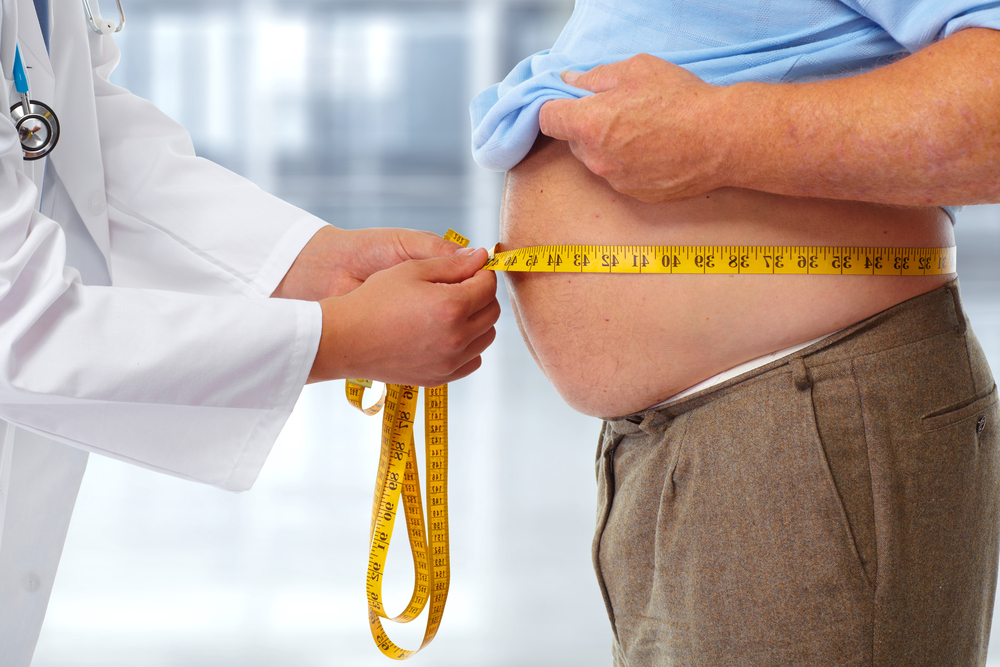
A Growing Crisis
The UK is facing a serious obesity epidemic. Official data shows obesity levels have nearly doubled since 1993, rising from 15% to 26% of the population — meaning more than one in four adults in the UK is now classified as obese. This sharp increase has placed enormous pressure on individuals, families, and the NHS, making obesity one of the most pressing public health challenges of our time.
The causes are complex and varied. Modern lifestyles increasingly involve sedentary work, highly processed foods, and mounting stress — all of which contribute to weight gain. Socioeconomic factors also play a significant role, with those in lower-income groups often having less access to healthy food options and recreational facilities.
Who Is Most Affected?
While obesity can affect anyone at any age, the data show that those aged between 45 and 74 are the most likely to be affected. This may be linked to factors such as a slowing metabolism, hormonal changes, reduced physical activity, and the cumulative effects of lifestyle habits over time.
Men are also statistically more likely than women to have an above-average Body Mass Index (BMI), though women face their own specific challenges — particularly around hormonal changes during pregnancy and the menopause, which can make weight management more difficult.
Concerningly, childhood obesity rates are also rising, suggesting that without meaningful intervention, the next generation faces even greater health challenges as they age.
Understanding BMI
The Body Mass Index (BMI) is the most widely used tool for measuring obesity across the UK. It is calculated by dividing a person’s weight in kilograms by the square of their height in metres (kg/m²).
| BMI Range | Classification |
|---|---|
| Below 18.5 | Underweight |
| 18.5 – 24.9 | Healthy weight |
| 25 – 29.9 | Overweight |
| 30 – 39.9 | Obese |
| 40 and above | Morbidly obese |
People with a BMI of 30 or more are classified as obese, while those with a BMI of 40 or above fall into the category of morbid obesity — a level at which the health risks become severe and often life-threatening.
It is worth noting that while BMI is a useful screening tool, it does have limitations. It doesn’t distinguish between muscle and fat mass, and may not fully reflect health risks for all body types and ethnicities. Your GP can help you understand your results in context and recommend further assessment if needed.
Why Does Obesity Matter?
The health consequences of obesity are wide-ranging and serious. Carrying excess weight significantly increases the risk of developing a number of chronic conditions, including:
- Type 2 diabetes
- Heart disease and stroke
- High blood pressure
- Certain cancers, including breast, bowel, and kidney cancer
- Sleep apnoea
- Joint problems, including osteoarthritis
- Mental health conditions, including depression and anxiety
Beyond physical health, obesity can impact quality of life, self-esteem, and the ability to carry out everyday activities. The economic cost is also significant — obesity-related illness costs the NHS an estimated £6 billion per year.
The good news is that even modest weight loss — as little as 5–10% of body weight — can lead to meaningful improvements in health, reducing the risk of these conditions and improving overall well-being.
Getting Help: You Don’t Have to Face This Alone
It is important to have your BMI checked regularly and to address any concerns about your weight sooner rather than later. Early intervention is always more effective, and there is a wide range of support available.
At The Harrow Health Care Centre, we understand that weight management is rarely straightforward. Our experienced GPs take a compassionate, non-judgmental approach, working with you to explore all available options and find a pathway that suits your individual needs and circumstances.
Our Weight Management Services
We offer a comprehensive range of services to support you at every stage of your weight management journey:
GP Consultations – Whether you are just beginning to think about your options or have been struggling with your weight for some time, our GPs are here to listen, advise, and guide you through the choices available — including lifestyle interventions, medication, and surgical options.
Band Adjustment Service – We offer a full Gastric Band Adjustment Service during normal weekday surgery hours, providing convenient, expert care for those who have already undergone gastric band surgery.
Dietician & Psychological Support – We recognise that successful weight management involves both the body and the mind. Where appropriate, we can connect you with experienced dieticians and bariatric psychologists who can provide tailored nutritional guidance and emotional support.
Specialist Referrals – For those who require more advanced intervention, our team is able to refer you to specialist bariatric surgeons, ensuring you receive the highest level of care.
Take the First Step
If you are concerned about your weight or would like to explore your options, we encourage you not to wait. Speaking to a GP is a positive and empowering first step — and the sooner you seek support, the more options will be available to you.
Find out more about our services or get in touch with our expert team today.